

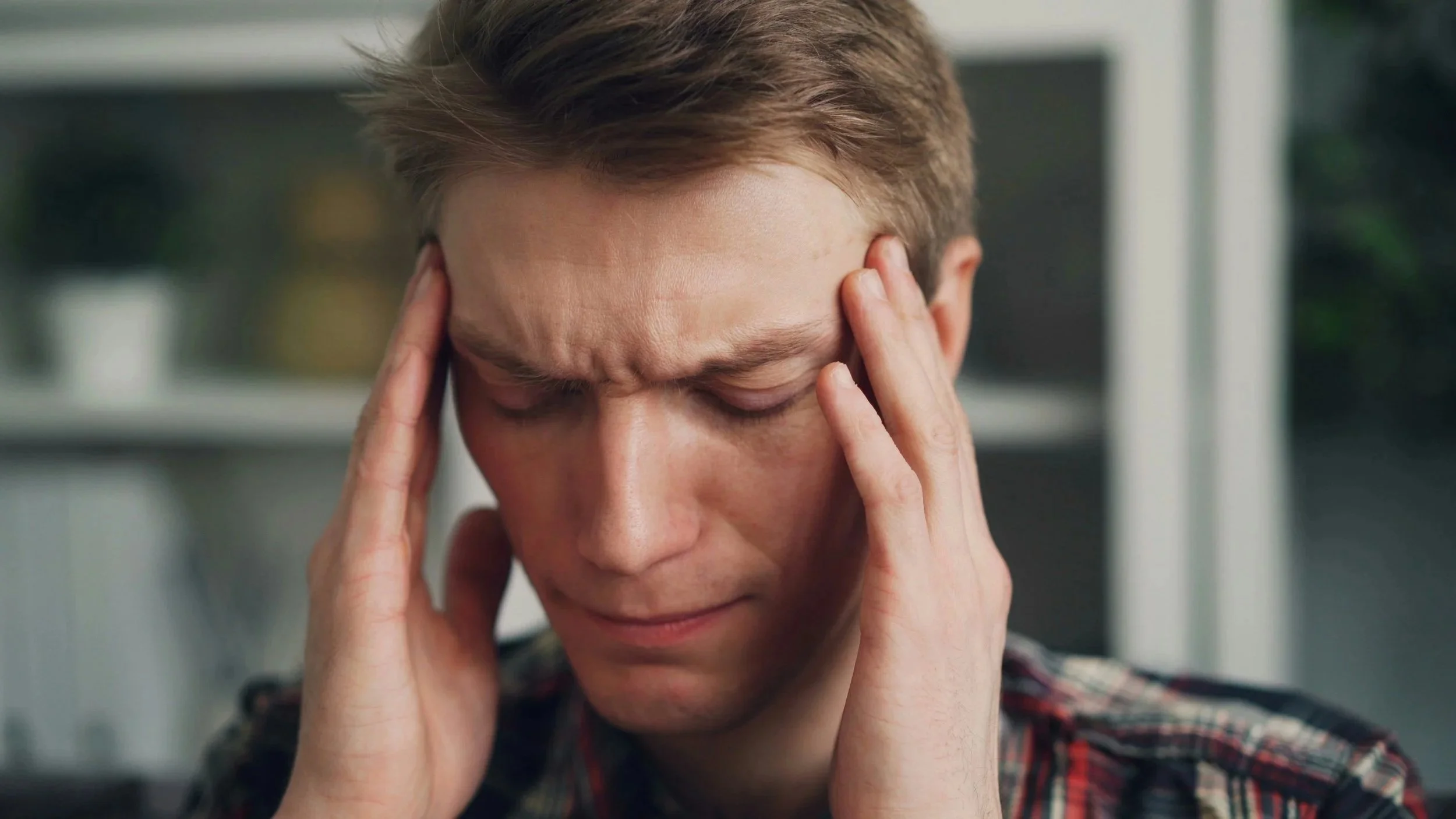
Headaches are one of the most common reasons people seek medical care, yet for many, the standard approach of reaching for painkillers offers only temporary relief. Osteopathy offers a different perspective, treating the headache not as an isolated event, but as a symptom of underlying structural or functional imbalances in the body.
By addressing the root causes rather than just the symptoms, osteopathic treatment can significantly reduce the frequency, intensity, and duration of headaches, including tension-type headaches and migraines.

Understanding the Root Causes
Unlike some general practitioners who may focus primarily on chemical imbalances or acute pain management, osteopaths look at the body as an integrated whole. The head is connected to the neck, the neck to the shoulders, and the shoulders to the spine and pelvis. Tension, poor posture, or injury in one area can create compensatory patterns that travel up to the head, manifesting as pain.
Common physical contributors to headaches that osteopathy addresses include:
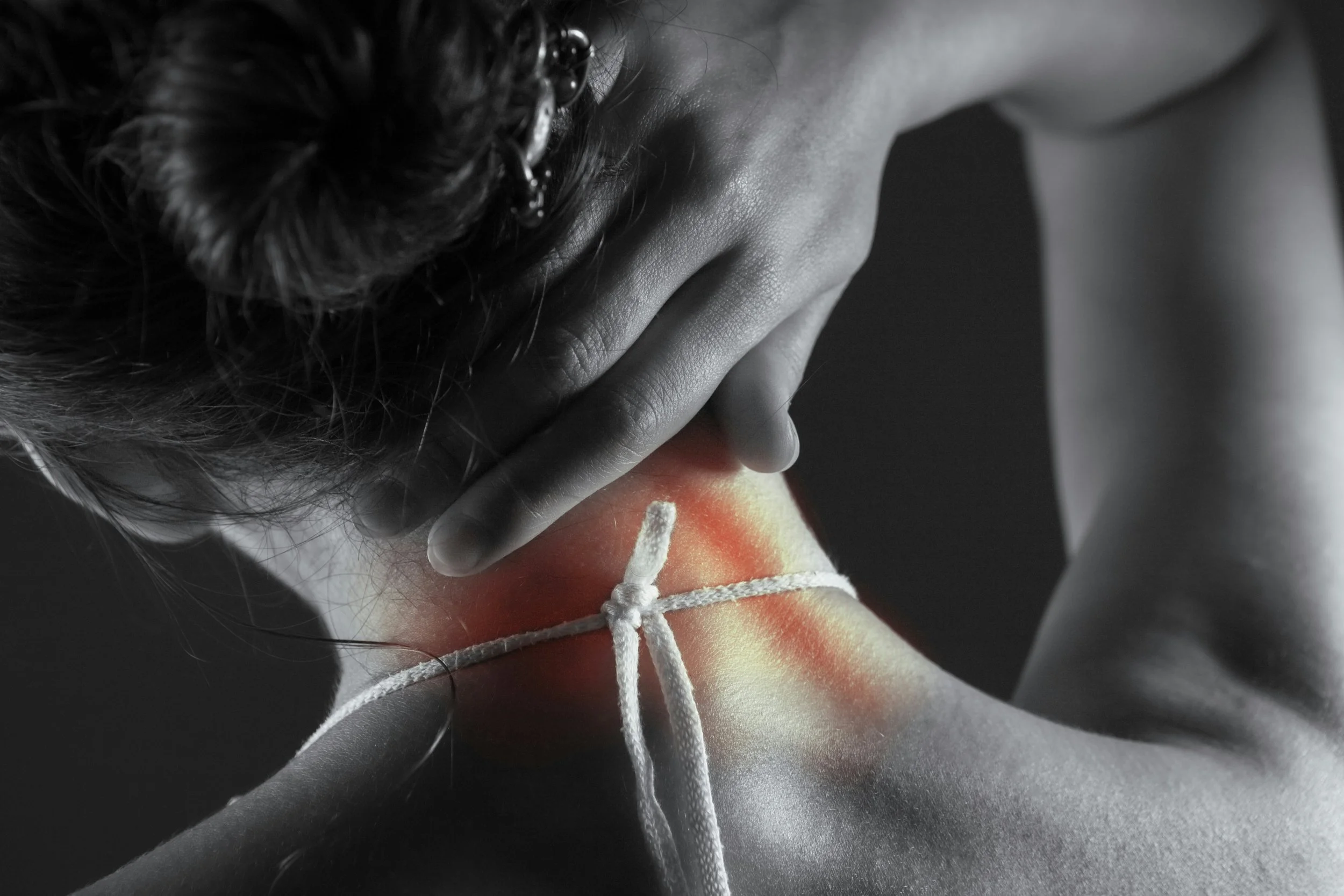
Muscle Tension: Tightness in the neck, jaw, and shoulders is a primary driver of tension headaches.
Postural Imbalances: Poor posture, often exacerbated by modern desk work, can strain the cervical spine and upper back, leading to referred pain in the head.
Joint Restrictions: Stiffness or restricted movement in the vertebrae of the neck and upper back can irritate nerves and contribute to headache cycles.
Circulatory Issues: Osteopathic techniques aim to improve blood flow and reduce inflammation, which may help prevent flare-ups.
If you are experiencing persistent headaches, consider seeking a professional evaluation to determine if structural imbalances are playing a role in your condition.
How Osteopathic Treatment Works
Osteopathic Manipulative Treatment (OMT) uses gentle, hands-on techniques to restore movement and balance. The goal is to relieve the physical stressors that trigger headaches.
1. Releasing Muscle Tension
Osteopaths use soft tissue techniques to release chronic tension in the muscles of the neck, jaw, and shoulders. By alleviating this tightness, the constant pull on the skull and cervical spine is reduced, which can provide immediate relief from tension-type headaches.
2. Improving Posture and Spinal Function
Through spinal manipulation and mobilization, osteopaths work to align the joints and improve the balance of the musculoskeletal system. Better posture reduces the strain on the upper back and neck, addressing a common mechanical cause of recurring headaches.
3. Enhancing Circulation and Reducing Inflammation
Specific osteopathic techniques can help lower inflammation and improve circulation to the head and neck. Enhanced blood flow supports the body’s natural healing processes and may reduce the severity of migraine symptoms.
4. Cranial Osteopathy
For certain types of headaches, particularly those linked to sinus pressure or cranial tension, cranial osteopathy may be beneficial. This subtle technique addresses restrictions in the cranial sinuses and bones, promoting natural drainage and relief.
The Evidence
Research supports the effectiveness of osteopathy for headache management. Clinical trials and systematic reviews indicate that OMT can reduce the intensity, frequency, and duration of headaches, including migraines and tension-type headaches. Studies have shown that the improvements in muscle balance, posture, and circulation resulting from osteopathic treatment often lead to fewer headache episodes over time.
Furthermore, patients often report secondary benefits such as improved sleep and reduced overall muscle tension, which contribute to a lower likelihood of headache flare-ups.
Who Can Benefit?
Osteopathy is particularly effective for:
Tension Headaches: Caused by muscle tightness and stress, these are among the most common forms of headaches and respond well to osteopathic care.
Migraines: While osteopathy does not “cure” migraines, it can help manage triggers and reduce the severity and frequency of attacks.
Cervicogenic Headaches: Headaches that originate from issues in the neck, such as joint dysfunction or disc problems.
Sinus Headaches: Cranial osteopathy can help alleviate pressure and pain associated with sinus issues.
A Holistic Approach to Relief
Osteopathy offers a drug-free, non-invasive approach to managing headaches. By focusing on the body’s structure and function, it addresses the mechanical and physiological factors that contribute to pain. For those suffering from chronic headaches, consulting with a qualified osteopath may provide the long-term relief that medication alone cannot achieve.